



DO YOU QUALIFY FOR STUDENT LOAN FORGIVENESS?
2025
Easy to qualify programs for student loan relief

…I made the call and walked away with my loans forgiven!
You Should Call

Big, Beautiful Student Loan Crisis: A Deep Dive Into America’s $1.8 Trillion Burden
Introduction: The Student Loan Crisis Isn’t Coming—It’s Here
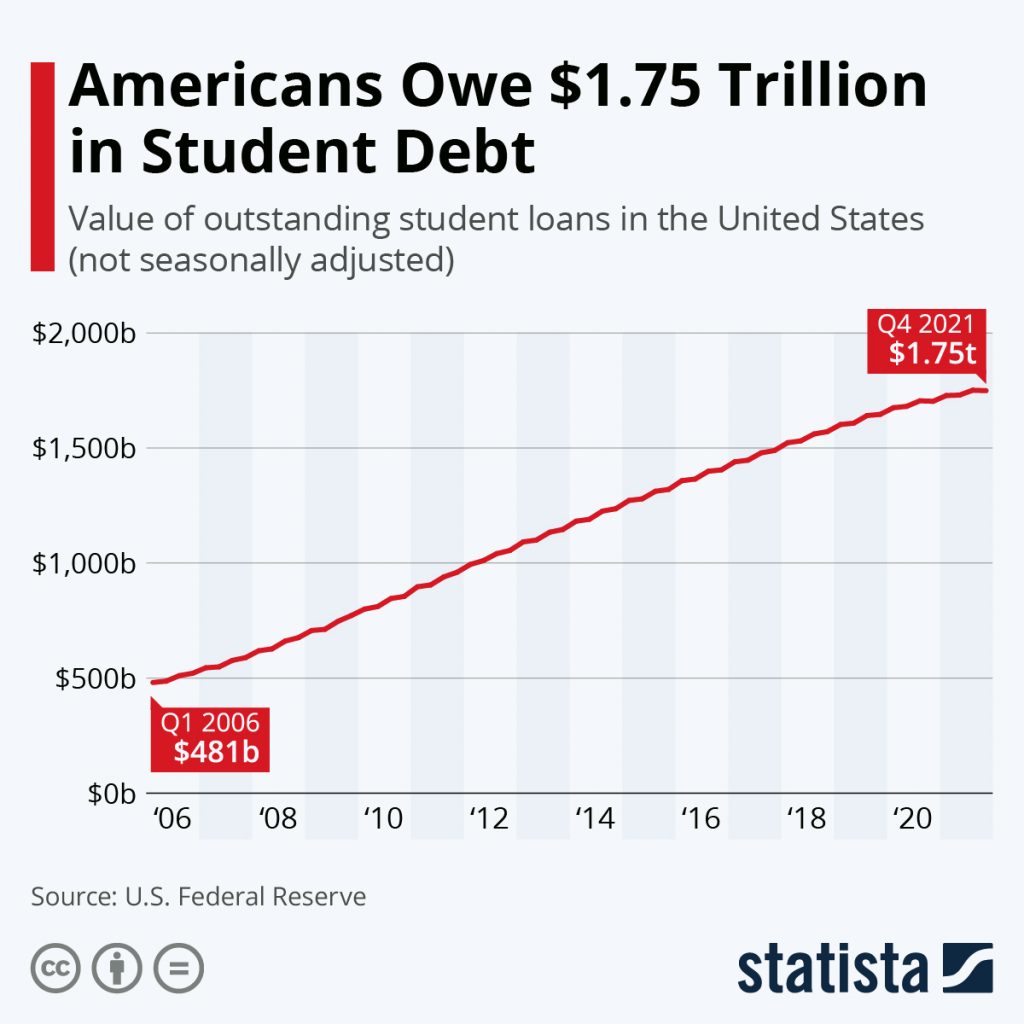
By mid-2025, the total U.S. student loan debt has surpassed $1.8 trillion, affecting over 43 million Americans. For decades, student loans were sold as the key to a better future. But today, they’ve become a ticking time bomb under the economy, burdening borrowers with monthly payments that stifle careers, homeownership, and even mental health.
While political leaders debate forgiveness and repayment tweaks, borrowers are still struggling. This article takes a deep dive into the scale, causes, consequences, and potential solutions of the student loan crisis in 2025.
1. By the Numbers: The True Size of America’s Student Loan Crisis
Let’s look at the raw numbers:
$1.8 trillion: Total student loan debt (federal + private)
43.5 million: Number of federal student loan borrowers
$350/month: Average payment post-pandemic pause
$30,000+: Average debt for bachelor’s degree graduates
10 million+: Borrowers in income-driven repayment plans
The data reveals a broken system: students take on huge loans for degrees that often don’t yield the income needed to repay them—especially in fields like education, social work, or the arts.
🔗 Federal Student Loan Portfolio – StudentAid.gov
2. How Did We Get Here? The Root Causes of the Crisis
The crisis wasn’t caused overnight. It’s the result of multiple systemic failures:
A. Skyrocketing Tuition
College tuition has risen over 200% since the 1990s, far outpacing inflation and wage growth.
Public universities now cost more than private ones did just two decades ago.
B. Easy Federal Loan Access
The Direct Loan program gives nearly unlimited access to loans with little credit evaluation.
Borrowers often take on more than they can repay simply to stay enrolled.
C. Interest and Capitalization
Compounding interest has caused balances to grow larger than the original amount borrowed, especially for low-income borrowers.
D. For-Profit Schools and Scams
Thousands were lured into debt by fraudulent or low-quality schools, many of which later closed or lost accreditation.
🔗 Internal Resource: How For-Profit Colleges Fueled the Student Debt Explosion
3. Who’s Struggling the Most?
The student loan crisis is universal, but some groups are hit harder than others:
🔹 First-Generation College Students
Often without family support or financial guidance, these students borrow more and graduate with higher debt.
🔹 Borrowers of Color
Black borrowers are more likely to take on large debt loads and face higher default rates due to systemic inequities in employment and wealth-building.
🔹 Graduate Students
Many graduate programs leave students with six-figure debt but limited career ROI.
🔹 Dropouts
Borrowers who never completed their degree have some of the highest default rates, with no increased earning power to repay their loans.
4. The Cost Beyond Dollars: Emotional and Social Impacts
Student loans aren’t just a financial issue—they’re emotional and generational.
Mental health: Anxiety and depression are linked to long-term student debt stress.
Marriage and family: Many borrowers delay major life milestones due to financial instability.
Wealth gap: Student debt widens racial and generational wealth inequality by delaying home ownership and investment.
🔗 External Source: NPR: Student Debt and Mental Health
5. What the Government Is (and Isn’t) Doing in 2025
✅ What’s Been Done:
Payment pause ended in 2023 with gradual ramp-up.
SAVE Plan introduced for more affordable repayment.
IDR account adjustments accelerated forgiveness for millions.
PSLF reform improved access for public servants.
❌ What’s Still Missing:
No universal loan forgiveness in place.
No cap on tuition or borrowing amounts.
Limited relief for Parent PLUS borrowers.
No legal protections from predatory student loan servicers.
🔗 Internal Resource: Student Loan Forgiveness Programs 2025
6. Student Loan Default: The Silent Epidemic
Default may have dropped during the pandemic, but it’s roaring back in 2025.
More than 7 million borrowers are currently in default or severe delinquency.
Default triggers wage garnishment, credit damage, and loss of tax refunds.
Many are unaware that programs like Fresh Start can restore eligibility.
🔗 External Resource: Fresh Start Default Recovery – Studentaid.gov
7. Possible Solutions: What Would It Take to Fix the Crisis?
Several policy proposals have emerged. Here’s what’s on the table:
A. Universal Loan Forgiveness
Advocates call for up to $50K per borrower wiped out instantly.
Opponents say it’s unfair to those who’ve paid.
B. Free Public College
Would reduce future borrowing but require massive state/federal investment.
C. Income-Based Loan Limits
Borrowing caps tied to expected future earnings per major.
D. Automatic Enrollment in IDR
Borrowers would be enrolled in affordable repayment plans by default.
E. Tuition Regulation
Linking tuition to inflation and capping annual increases.
🔗 Internal Resource: How to Fix the Federal Student Loan System
8. What Borrowers Can Do Right Now
If you’re one of the 43 million borrowers navigating this crisis, you’re not powerless. Here’s how to take control:
Review your loan details on StudentAid.gov.
Enroll in the SAVE Plan for lower monthly payments.
Apply for PSLF if eligible.
Consolidate to qualify for forgiveness programs if needed.
Check forgiveness status if you’ve been in repayment 20+ years.
🔗 Student Loan Checklist – StudentLoan-Gov.com
Final Thoughts: A Beautiful Crisis That Demands an Ugly Truth
The U.S. student loan crisis is both massive and deeply personal. While politicians argue about policy and platforms, millions of real people are just trying to get by—making minimum payments, skipping healthcare, putting off kids or a mortgage—just to stay afloat.
We don’t just need forgiveness. We need reform. And it starts with understanding the system we’re stuck in.
Until then, the “big, beautiful” student loan crisis will keep growing—unless we fight back with facts, action, and advocacy.
Helpful Links:
Other Related Articles



Student Loans 2025
The Trump Presidency
& it’s impact on:
- Student loan forgiveness
- Government loan programs
- Student repayment options
Recent Posts
Archives
Categories
Meta
GOV Student Loan Service student loan refinancing program can save you major time and money and we can prove it!
Hands Down
Recent Comments